


Rule of law in Hungary: MEPs welcome major progress, impressive pace of reforms
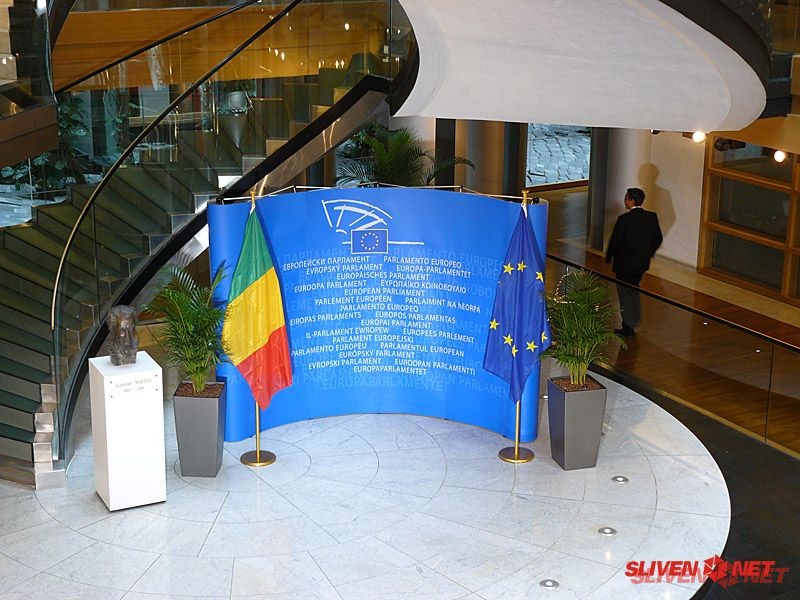
A Civil Liberties Committee delegation assessed developments in Hungary following the April 2026 elections and pledges to restore the rule of law.
From 26 to 28 October, a European Parliament delegation concluded a three-day visit to Hungary. MEPs representing seven political groups, led by Sophie Wilmès (Renew, Belgium), Chair of the Democracy, Rule of Law and Fundamental Rights Monitoring Group (DRFMG) within the Committee on Civil Liberties, Justice and Home Affairs (LIBE), visited Budapest eighteen months after the previous mission in April 2025. The delegation also comprised Parliament’s rapporteur for the Article 7 procedure on Hungary Tineke STRIK (Greens/EFA, Netherlands); Michal WAWRYKIEWICZ (EPP, Poland); Alessandro ZAN (S&D, Italy); András LÁSZLÓ (PfE, Hungary); Sebastian TYNKKYNEN (ECR, Finland); and Milan UHRÍK (ESN, Slovakia).
The mission concluded with a press conference at the European Parliament’s Liaison Office in Budapest.
The visit highlighted a profound change in Hungary’s political and institutional landscape, marked by an impressive pace of reforms since the new government took office.
In just a few months, highly substantial progress has been made in addressing longstanding concerns over democracy, the rule of law and fundamental rights. The end of emergency rule by decree, the abolition of the Sovereignty Protection Office, significant judicial and anti-corruption reforms, Hungary’s accession to the European Public Prosecutor’s Office (EPPO), new safeguards for media independence and the repeal of key discriminatory provisions affecting LGBTIQ+ people in the Child Protection Law are among the most notable developments. This progress is also already being recognised at European level, as illustrated by the Council’s recent decision to lift the budgetary conditionality measures concerning Hungary.
Sophie Wilmès welcomed these developments: “The contrast with our visit in 2025 is striking. The scale and pace of reforms undertaken in just a few months are impressive. Many longstanding concerns have already been addressed, and tangible results are becoming visible. This progress deserves to be fully recognised.”
Important challenges nevertheless remain, notably regarding judicial independence, effective investigations and prosecutions in high-level corruption cases, media concentration, and remaining restrictions affecting LGBTIQ+ rights. The reform process is far from over, with further ambitious measures already announced, including a comprehensive media reform to address structural issues such as ownership transparency and state advertising, plans to reform electoral legislation to foster a more pluralistic democracy and a new Constitution to be developed through a broad public consultation process. Further reforms will also be needed to ensure effective access to asylum procedures and compliance with European legal standards. Ensuring that these reforms are implemented effectively, through inclusive processes and with lasting democratic safeguards, will be essential.
Beyond the situation in Hungary, Sophie Wilmès also stressed the broader questions raised by this process: “The European Union has developed tools to respond when the rule of law deteriorates. But are we equally equipped to support its restoration? Rebuilding democratic institutions takes time and sometimes requires profound changes. We must reflect on how to recognise progress, set priorities and allow room for necessary reforms, without compromising our fundamental principles. One thing is certain: continued engagement and close monitoring will remain essential.”
Commenting on the progress achieved so far and the challenges that remain, Tineke Strik, offered the following assessment: “We observed a fast progress on many issues raised within the context of Article 7 by the Parliament and other institutions. The release of EU funds by the Commission and the Council demonstrates this. Still, the scope of Parliament's Article 7 report is much broader than the concerns relevant for funds. Therefore, we expect equally convincing action in other fields - such as constitutional reform, electoral law, fundamental rights and equality, including the rights of persons belonging to minorities, in particular LGBTIQ+ and Roma, asylum, economic and social rights. Such profound changes also require broad consultations with experts from Hungary and international organisations, and the Hungarian society as a whole. The new government received a mandate for broad changes, now it's time to use it in order to eliminate any remaining doubts about effective protection of all Union values in Hungary”.
Next steps
The delegation will now consolidate its findings and report back to the LIBE Committee. No conclusions have been drawn at this stage regarding the future of the Article 7 procedure. A plenary debate and a resolution on Hungary are scheduled for the European Parliament’s next sessions.
Background
In September 2018, Parliament initiated the Article 7(1) TEU procedure, asking the Council to determine whether there was a clear risk of a serious breach by Hungary of the EU’s founding values. The Civil Liberties Committee has consistently stayed on top of this issue through its reports and overall monitoring work in line with Parliament’s democratic scrutiny role. In November 2025, Parliament adopted its second interim report on Hungary’s persistent undermining of the rule of law and its continuous breaches of EU values.